
Your Guide to Heart Health
How You Can Keep Your Heart Healthy
by Caylin Cheney, Advanced Registered Nurse Practitioner
What’s in This Guide
I created this resource to be your central hub for everything heart-related. Whether you are navigating a new high blood pressure diagnosis, trying to lower your cholesterol, or simply looking to understand your ticker a little bit better, you’ll find the evidence-based answers you need right here.
→ Why Heart Health Is Vital
Taking care of your heart ensures you have the longevity and energy to enjoy everything else life has to offer.
→ Quick Tips for Keeping Your Heart Healthy
You know keeping your heart healthy is important, but it can be overwhelming, too! Here are five things to focus on.
→ Managing Your Cholesterol
LDL cholesterol, HDL cholesterol, plaque! There are a lot of terms to know about cholesterol, but my guide makes understanding what’s going on simple.
→ Understanding Blood Pressure
You’ve had your blood pressure taken many times. But what really is blood pressure? Why is it so important? And what can you do to keep your BP at a healthy level?
→ Creating Heart Healthy Habits
Dive deeper on changes you can make to make your heart healthier – like increasing fiber, reducing stress, and more.
→ Take Control Today
Ready to create a personalized heart-health plan? Let’s get started together.
Why Heart Health Is Vital
Your Heart, Your Health
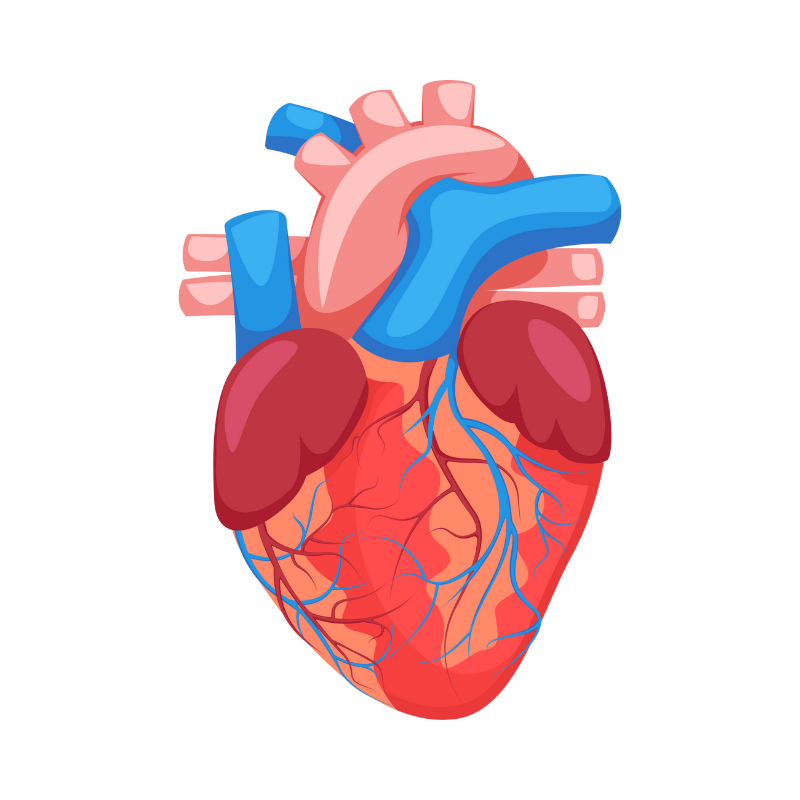
Your heart is the engine that drives every other system in your body, delivering oxygen and nutrients through a 60,000-mile network of blood vessels. When your cardiovascular health is a priority, you aren't just preventing disease; you are protecting your energy, your cognitive function, and your longevity.
Managing your heart health and preventing heart disease can feel really overwhelming sometimes! But take a deep breath: The first step is empowering yourself with knowledge so you can make fully informed decisions about your health and wellness.
-
Heart disease isn’t just one thing – it’s actually an umbrella term for many different conditions that impact how your cardiovascular system functions.
However, usually we’re talking about coronary artery disease (CAD) since it’s the most common type of heart disease. CAD is a condition in which your arteries are narrowed or blocked by plaque – restricting blood, nutrients, and oxygen from the heart to the rest of your body.
Other types of heart disease include:
Heart valve disease (when valves are too loose or too stiff)
Heart failure (when a heart doesn’t work as well as normal)
Caridiomyopathy (heart muscle disease)
Arrhythmia (when a heart beats in an irregular rhythm)
-

A healthy heart beats around 100,000 times per day
That’s around 2.5 billion times over the average lifetime! Your heart works hard, pumping 2,000 gallons of blood per day.
-
Heart disease is the leading cause of death in the US and globally
Heart disease is a serious, all-too-common condition and one that an humans have been experiencing for thousands of years — with mummies from 3,500 years ago showing evidence of it.
-

Heart disease is preventable in most circumstances
According to the World Heart Federation, up to 80% of heart disease is preventable.
Quick Tips: What Can I Do To Keep My Heart Healthy?
It’s easy to feel overwhelmed, but there are five basics you can focus on to make your heart healthier. Remember this: Heart disease is largely preventable, and small, informed changes make a big difference.
If you’re worried about your heart health, make an appointment today and we’ll work on it together!
-
You’ve probably heard it before: Movement is medicine and improves your cardiovascular health! Aim for 150 minutes of exercise per week, whether it’s going for a brisk walk, working out at the gym, or doing chair yoga at home. Whatever you choose, make it something fun that you can enjoy doing consistently.
-
Consider starting a DASH diet. DASH stands for Dietary Approaches to Stop Hypertension and it’s a research-backed eating plan designed to lower blood pressure, reduce cholesterol, and promote heart health. Some basics include:
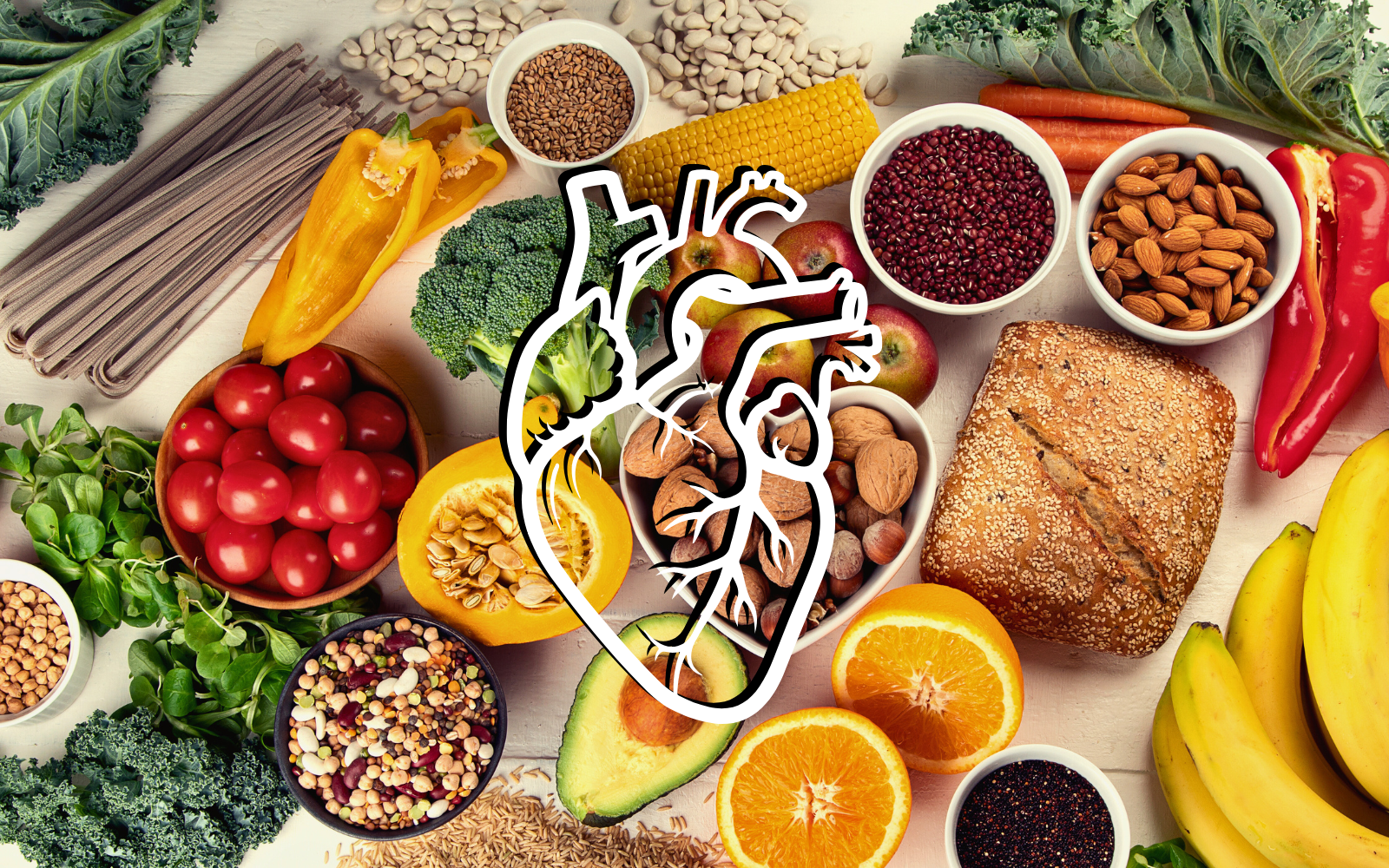
Focusing on high fiber foods like fruits, vegetables, whole grains, seeds, and legumes
Reducing foods high in saturated fats like hotdogs, pepperoni, cheese, and dairy
Picking up leaner cuts of meat or fish, as well as lower-fat dairy
Reducing foods high in sugar and sodium
-
When you sleep, your heart rate slows down and your blood pressure drops by about 10% to 20%. This gives your cardiovascular system a much-needed break. If you don't sleep long or deeply enough, your blood pressure stays elevated, which increases the risk of hypertension and heart disease.
-
Smoking damages your blood vessels, reduces oxygen in your blood (putting strain on your heart to work harder), and promotes the build up of plaque in your arteries. Alcohol can also lead to high blood pressure and can weaken your heart muscle when you consume too much.
Good news: Your heart attack risks starts dropping within 24 hours of quitting smoking. The returns are almost immediate!
-
Stress – particularly long-term, chronic stress – is bad for your heart and it often goes unrecognized as a major factor for conditions like heart disease! Chronic stress can lead to high blood pressure, inflammation, plaque build-up, and more. When you care for your mental health, you’re also caring for your physical wellbeing, including your heart.
“From the first appointment, Caylin made me feel genuinely understood… Every visit reminds me that good, human-centered care truly exists.”
— Patient testimonial
The Basics of Heart Health
Managing Your Cholesterol
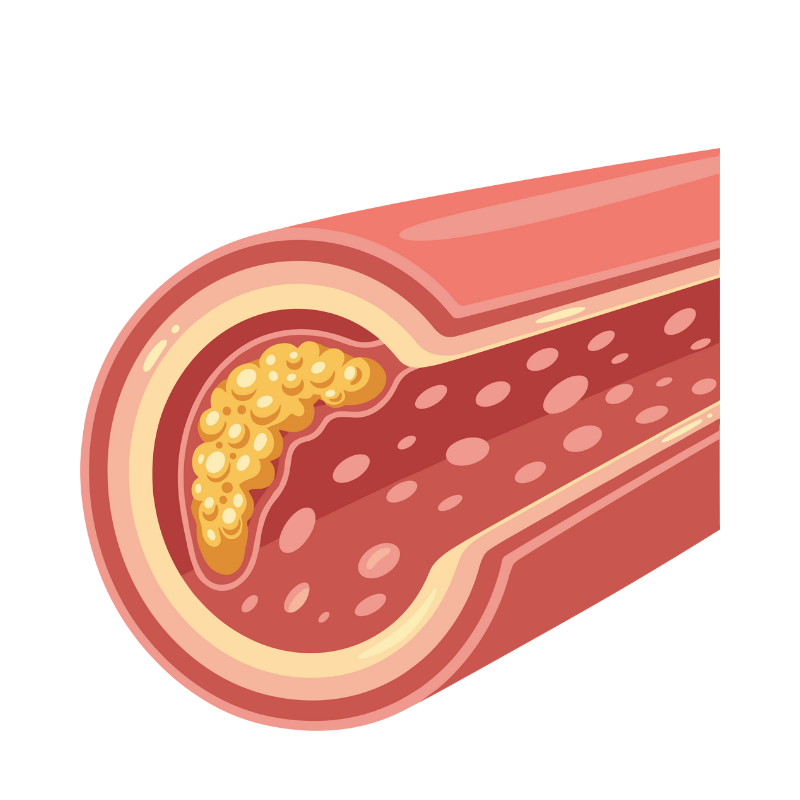
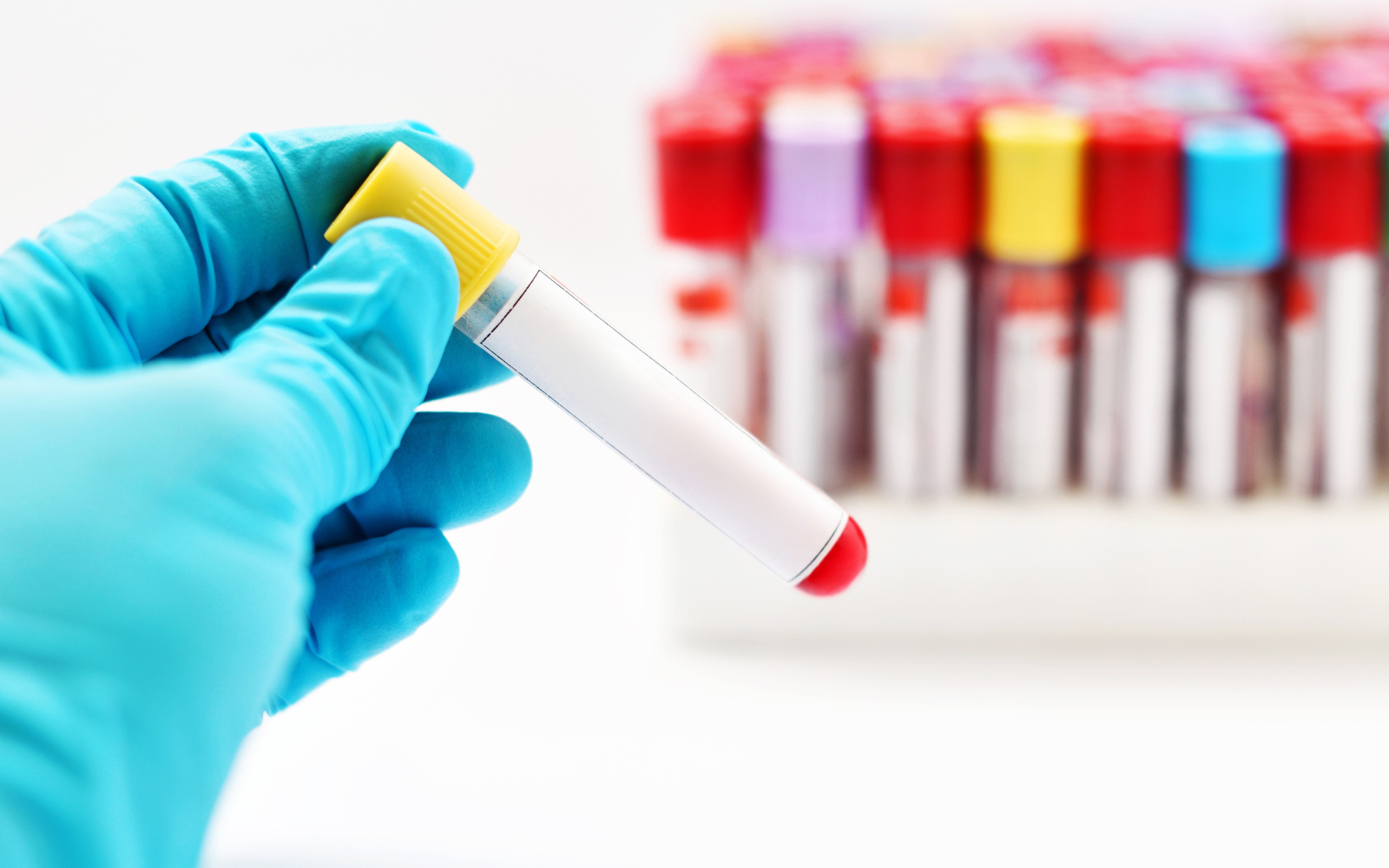
Cholesterol is a lipid (similar to a fat) that builds our cells, makes our hormones, and helps us digest food. It's fundamental and our bodies can't live without it. The key to a long, healthy life isn't eliminating it—it's just about finding the right balance.
There are two types of cholesterol we look at most often: low-density lipoproteins (the “bad” kind) and high-density lipoproteins (the “good” kind).
If your cholesterol is too high, it can be dangerous – leading to the narrowing of your arteries, putting strain on your heart, and making you more at risk for heart disease and stroke.
But you shouldn’t feel overwhelmed. There are many changes you can make – especially to your diet and exercise routine – to lower your cholesterol and live a healthier life.
Understanding Blood Pressure
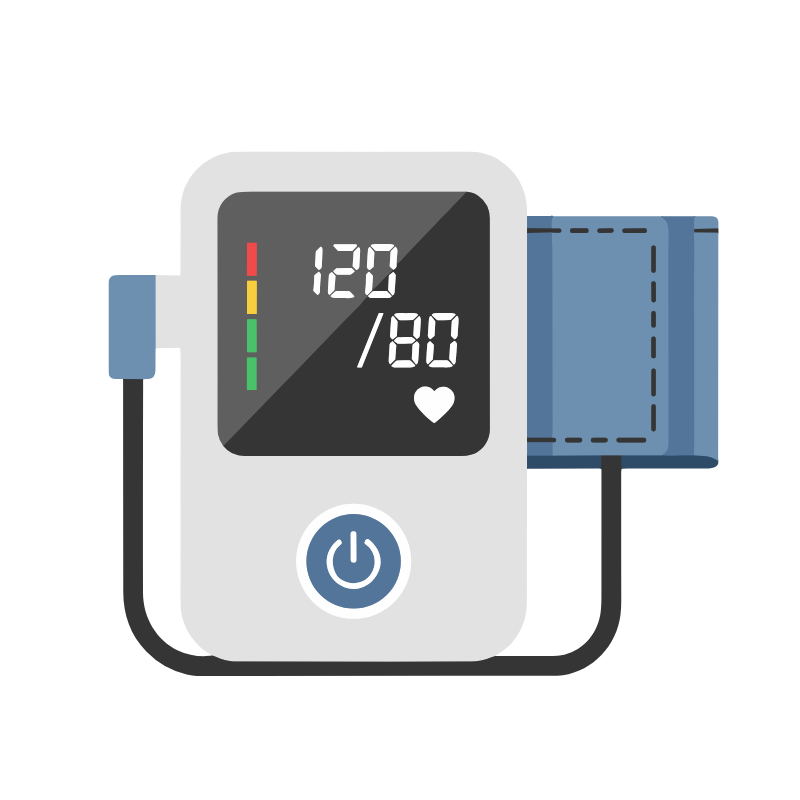
Just like water getting pushed to different parts of your house like the shower or sink, our blood moves through arteries to the rest of our body. And that blood exerts a certain amount of force on those arteries – just like water puts pressure on the pipes in a house.
But in both our house and our body, that force can take a toll if the pressure is consistently too high.
High blood pressure (also known as hypertension) is a condition in which your blood consistently puts too much force on your artery walls. Then, your heart has to work harder than normal to get blood flowing through your body.
If left untreated, hypertension can cause damage to our arteries, heart, brain, kidneys, and eyes.
This damage can contribute to conditions like heart attacks, heart disease, stroke, kidney disease, and more.
But don’t be alarmed! High blood pressure is very common, with nearly half of US adults experiencing it. It’s also very treatable through lifestyle changes and medication.
How to Take Your Blood Pressure at Home
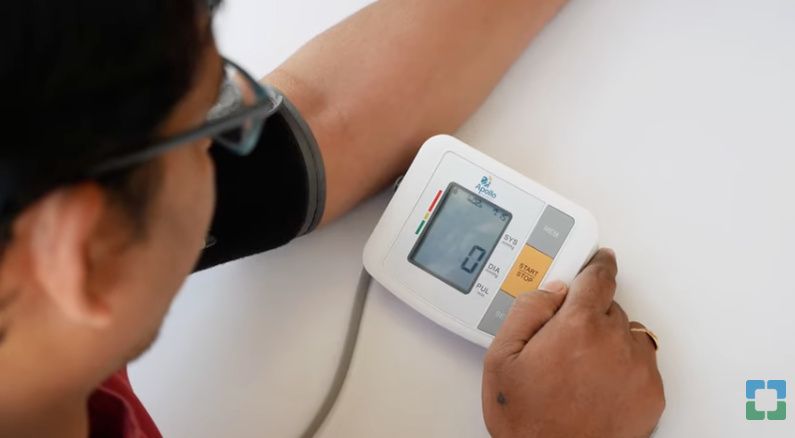
You can measure your blood pressure manually or with a machine — but both approaches require at least two measurements while you’re relaxed and still. The Cleveland Clinic explains how to get accurate blood pressure readings.
Creating Heart Healthy Habits
Fueling the Engine: Think of your heart as a high-performance engine for your body; it needs good fuel! Prioritizing a diet rich in leafy greens, lean proteins, and healthy fats helps prevent the buildup of plaque in your arteries. Try to reduce excess sodium and processed food where you can.
Exercising Your Most Vital Muscle: Since the heart is essentially a tireless pump, it needs regular "maintenance" through physical activity to stay strong. Aim for 150 minutes of exercise per week. Movement doesn’t just have to be squats at the gym or going for a jog. It can be dancing in your apartment, doing chair yoga, practicing tai chi — whatever feels good for you and your body.
The Mental Is Physical for Your Heart: We often treat stress as a mental burden, but your heart experiences it as a physical event. Managing stress is a major investment in your heart health. When you are chronically stressed, your body stays in a "fight or flight" state, flooding your system with cortisol and adrenaline. Over time, this can increase inflammation, raise your heart rate, and keep your blood pressure at elevated levels — none of which is good for your heart!
Featured Resources
Are You Ready To Take Control of Your Heart Health?
While guides are helpful, your heart is unique! We’ll work together to assess your heart health and create a personalized plan that works for you to improve (or maintain!) it. I take patients virtually across Washington state, and in person in Seattle.
Take a Deeper Dive
I write new blogs and articles about heart health all the time! Here’s what I’ve published lately that can help you understand your ticker (and how to maintain it) better.




Caylin Cheney
Advanced Registered Nurse Practitioner
practicing in Washington state
I started Whole Person Well Care because I wanted to offer the kind of care I spent years hoping to find: Care that feels personal. Care that creates safety. Care that doesn’t separate your body from your story.