What Does Fiber Have To Do with Heart Health?
We hear a lot about fiber when we’re talking about digestive health. But dietary fiber can also make your heart healthier and help prevent cardiovascular disease.
by Caylin Cheney, Advanced Registered Nurse Practitioner
Let me share with you two facts:
Most people in the US only get about 15 grams of fiber per day, much less than is recommended for adults of any age or sex.
Heart disease is the leading cause of death in the US.
These might seem like unrelated statistics (and the second one is a bit scary) – but I don’t share them to make you worried. What if I told you that the fiber you eat can actually help promote the health of your heart? Yes, really!
When we talk about why fiber is important, we’re often laser focused on our digestive health. And it’s true, fiber is vital for promoting bowel and gut health. I’ve noticed more and more of my patients have heard about the links between a high-fiber diet and lowering the risk of colorectal cancer, which is excellent news.
But not many people know that increasing the fiber in your diet can reduce your risk for heart disease, as well.
-
Dietary fiber is a nutrient known as a carbohydrate. Fiber includes the parts of plant foods that the body can't digest or absorb. This makes it different from nutrients such as fats, proteins, and other carbohydrates including starches and sugars. The body breaks down these nutrients and absorbs them. Instead, fiber passes somewhat intact through the stomach, small intestine, and colon and out of the body.
There are two main types of fiber:
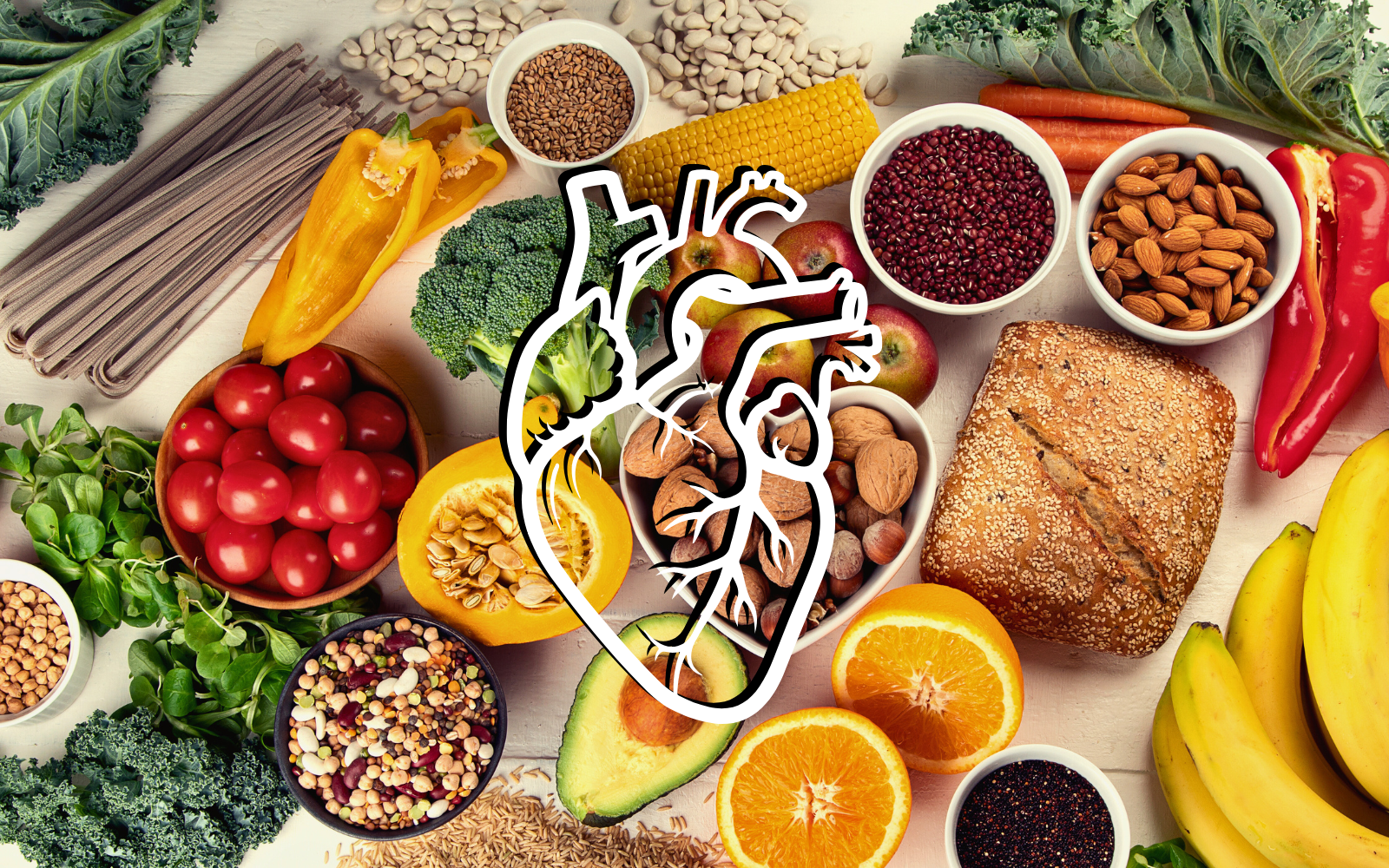
Soluble fiber. This type of fiber dissolves in water. It forms a gel-like material in the stomach that slows down digestion. It can help lower cholesterol and blood sugar. Soluble fiber is found in oats, peas, beans, apples, bananas, avocados, citrus fruits, carrots, barley and psyllium.
Insoluble fiber. This type of fiber doesn't dissolve in water. It supports the movement of material through the digestive system and adds bulk to stool. So it can be helpful for people who have constipation or don't regularly pass stool. Some good sources of insoluble fiber are whole-wheat flour, wheat bran, nuts, beans, and vegetables such as cauliflower, green beans and potatoes.
Most high-fiber plant foods contain both soluble and insoluble fiber. The amount of each type of fiber varies with the type of plant, such as whether it's a fruit, vegetable or whole grain. But you can get both types of fiber by eating a variety of fiber-rich foods.
Why is fiber important for heart health?
The links between fiber and heart health are well-researched, going back at least 70 years. In fact, both long and short-term studies show that high fiber intake can “reduce the risk of heart attack and stroke by as much as 30%.”
Dietary fiber – soluble fiber specifically – helps make your heart healthier because it can both lower cholesterol and blood pressure:
Dietary fiber lowers cholesterol by trapping or absorbing LDL (the bad kind of cholesterol) and preventing it from entering your bloodstream. That means less cholesterol building up in your arteries, which can decrease your risk of heart disease and stroke. Think of soluble fiber like a magnet dragging bad cholesterol out of your body.
Dietary fiber lowers blood pressure because it’s broken down by your body into short-chain fatty acids that enter the blood stream and relax your blood vessel walls – putting less work on your heart as it pumps.
How much fiber should I consume daily?
The National Academy of Medicine makes recommendations on how much fiber to eat based on age and sex (noting that these studies have been done primarily on cisgendered people).
For females, they recommend getting 25 grams of fiber per day until you’re about 50, then 21 grams per day after that.
For males, you should get 38 grams of fiber per day until you’re about 50, then 30 grams per day after that.
But remember: don’t drastically increase your fiber intake overnight. It takes your body time to adjust. If you make changes too suddenly, it can mean gas, cramps, bloating, and more uncomfortable symptoms. Start slow and add a few more grams of fiber daily until you reach the recommended amount.
And while you’re increasing your fiber intake, make sure you’re also increasing how much water you drink. Fiber needs water to move and get through your digestive system, otherwise you could end up constipated.
How can I get more fiber? What types of food are high in fiber?
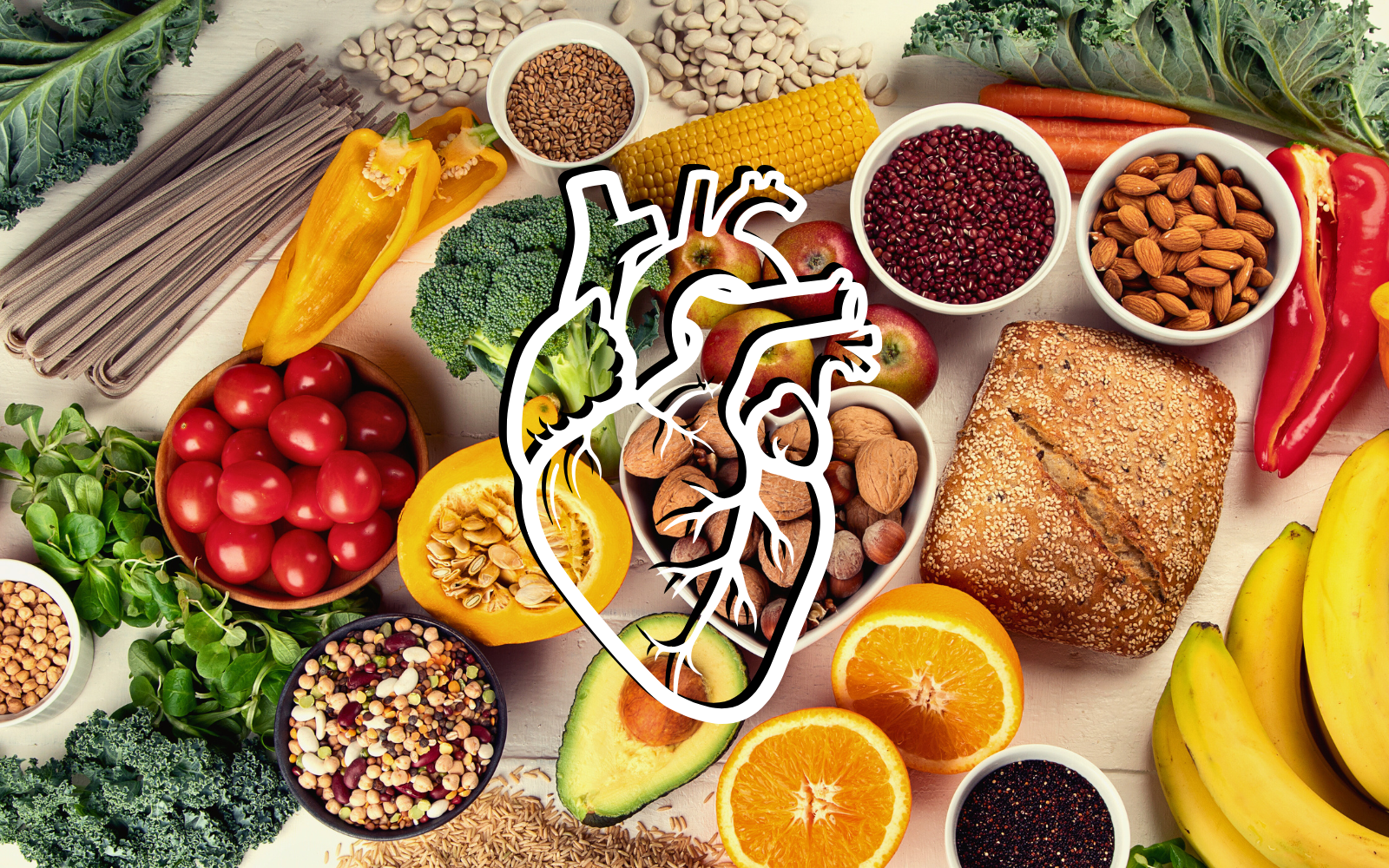
Many of the foods we already think of as healthy are high in fiber – foods like beans, nuts, seeds, whole grains, fruits, and vegetables. Here are some examples:
-
Lentils
Beans
Chickpeas
-
Chia seeds
Hemp seeds
Sunflower seeds
-
Raspberries
Blackberries
Avocados
Pears
-
Broccoli
Corn
Brussels sprouts
-
Oatmeal
Quinoa
Barley
You can also make it easier to get more fiber by taking pill or powdered fiber supplements like psyllium husk (which is the active ingredient in brands like Metamucil), methylcellulose (one brand name is Citracel), and inulin.
Don’t feel like you need to totally overhaul your diet to get more fiber. Just try to make a few small additions or replacements each day, like adding chia seeds to your yogurt or snacking on raspberries instead of reaching for chips.
It’s clear: Fiber isn't just a digestive aid; it’s a proactive tool for longevity
If you’re focusing on your heart health, digestive health, or just your overall wellness, I would love to support you on that journey. As a nurse practitioner, I am focused on providing care that feels personal, creates safety, and doesn’t separate your body from your story. If that sounds right for you and you live in Washington state, make an appointment for primary care or schedule a free 20-minute meet and greet today.

The Heart Behind Whole Person Well Care
Meet Caylin Cheney, ARNP
More Blogs about Heart Health