
Everything You Need to Know about High Cholesterol
What is cholesterol? Why is high cholesterol bad for your health? What can you do to lower it? These questions and more, answered.
by Caylin Cheney, Advanced Registered Nurse Practitioner
Key Takeaways
Cholesterol is essential for our bodies! It serves as a fundamental building block for all our cells, aids in the production of crucial hormones, and supports the digestive process.
There are two types of cholesterol we look at most often: low-density lipoproteins (the “bad” kind) and high-density lipoproteins (the “good” kind).
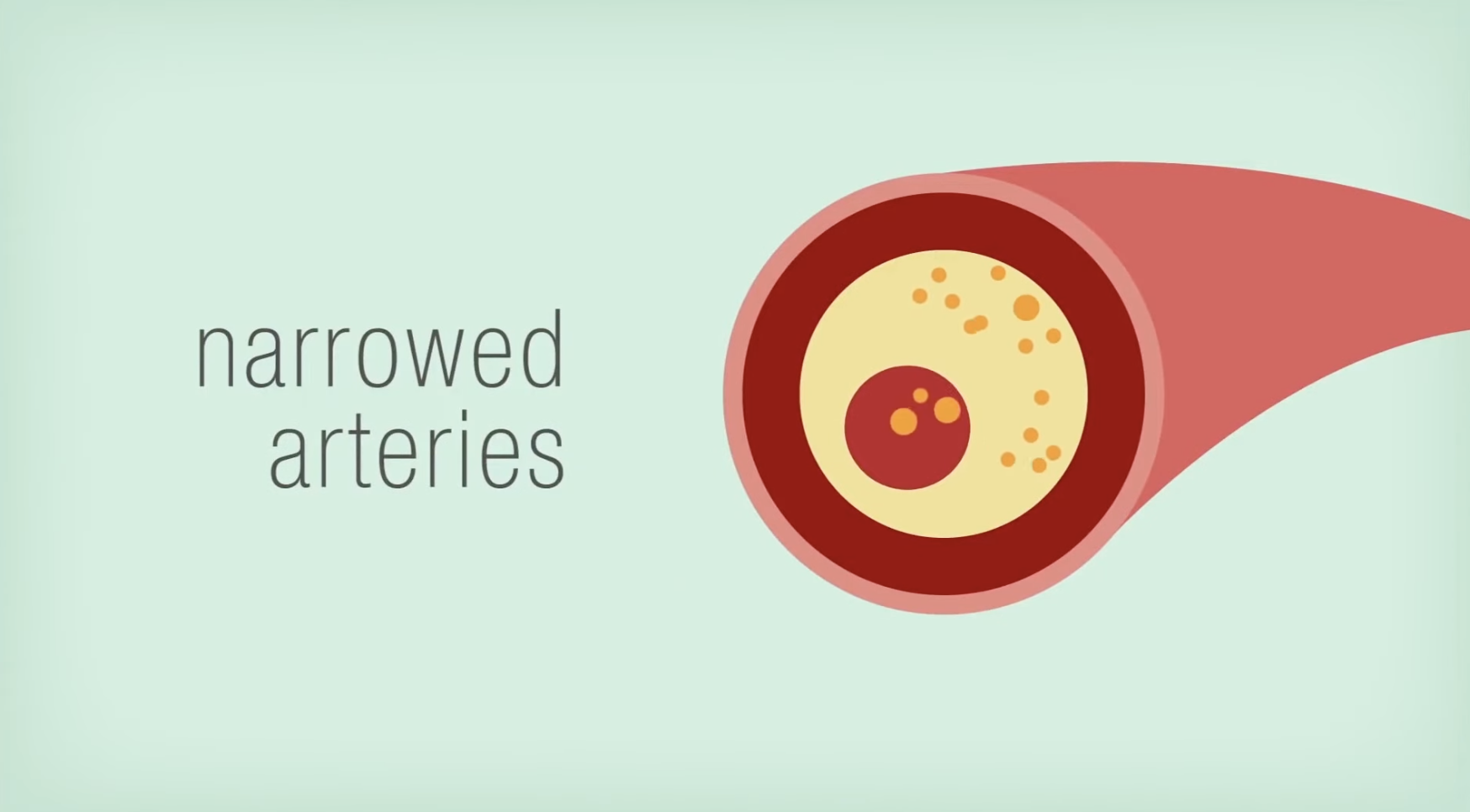
If your cholesterol is too high, it can be dangerous – leading to the narrowing of your arteries, putting strain on your heart, and making you more at risk for heart disease and stroke.
But you shouldn’t feel overwhelmed. There are many changes you can make – especially to your diet and exercise routine – to lower your cholesterol and live a healthier life.
This is part of a series I’m writing about heart health. You can read my explainers on blood pressure basics and how chronic stress can impact your heart, too.
You just got your blood test results back, and your provider lets you know that you have high cholesterol. Now, what?
If this sounds familiar, I’ve been in your shoes! I recently had a medical exam and my cholesterol came back a bit high. Before becoming a nurse practitioner, I probably would have been kind of freaked out by the results. But now I know that with some straightforward changes, I can get my cholesterol back down to healthy levels.
And if you’re in the same boat – or just trying to better understand your body and how it works – let’s go through the basics about cholesterol, together:
Cholesterol 101: What is it, anyway? What is the role of cholesterol in the body?
Much like blood pressure, we often hear about cholesterol when we go to see a provider. But what is it, exactly? Cholesterol is a lipid (similar to a fat) that builds our cells, makes our hormones, and helps us digest food. It's fundamental and our bodies can't live without it. The key to a long, healthy life isn't eliminating it—it's just about finding the right balance.
There are two main types of cholesterol we think about in primary care:
LDL (low-density lipoprotein) - The ‘Bad’ Guy: Carries cholesterol to the arteries, where it can build up as plaque. This plaque narrows your arteries and increases your risk of heart disease and stroke.
HDL (high-density lipoprotein) - The 'Good' Guy: Sweeps up excess cholesterol and carries it back to the liver for breakdown and removal.
An easy way to remember this: HDL is “helpful” – while LDL is “lousy”! The liver creates a certain amount of cholesterol that’s really all we need for these essential functions (called blood cholesterol). But we add cholesterol through what we eat and (called dietary cholesterol), depending on our diets and other risk factors, those cholesterol levels can go above healthy levels and put us at risk.
Triglycerides can also contribute to high cholesterol. These types of fat store excess energy that builds-up in your arteries, also contributing to the “traffic jam” cholesterol helps create there.
What is the normal range for cholesterol levels? What causes high cholesterol?
Before I jump into answering this, please remember: Whether or not we are healthy – measured by cholesterol or any other metric – is absolutely not a reflection of our value as humans or of our morality. As a provider, I’ll never make you feel guilty or overwhelmed by a problem like high cholesterol. We’ll work through it, together!
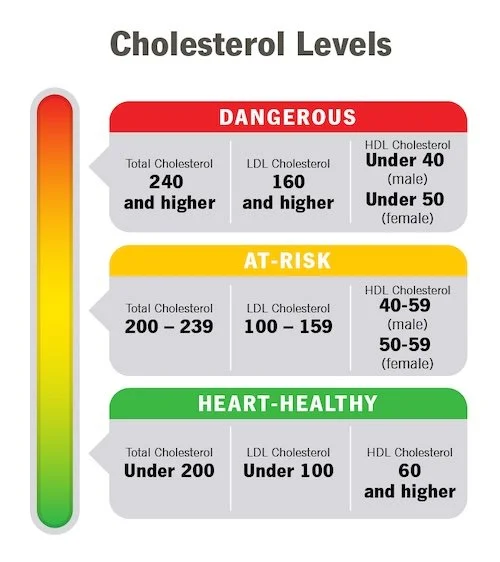
To test your cholesterol levels, a provider puts your blood through a lipid panel. It reveals four data points: how much total cholesterol, LDL, HDL, and triglycerides you have in your blood. Here’s a helpful chart from The Cleveland Clinic that breaks down heart-healthy, at-risk, and dangerous ranges of those first three numbers for adults over 20. Generally, the most important thing is to aim for an LDL number that’s less than 100 mg/dL.
High cholesterol can be a result of a wide range of factors:
Genetic and medical conditions like familial hypercholesterolemia (a genetic condition that causes high LDL), chronic kidney disease, chronic liver disease, diabetes, obesity, and HIV/AIDS, for example.
Certain medications for conditions like acne, high blood pressure, cancer, HIV/AIDS, and more can contribute to high cholesterol.
Lifestyle factors like stress, smoking, alcohol consumption, diet, exercise, and aging are also risk factors.
How can I lower my cholesterol “naturally”? What foods are lower in cholesterol?
Let’s focus on the last bullet for a moment, because it’s the one I get the most questions about as a provider. Many people want to know what habits they can change to lower their cholesterol and live a healthier life. Many of the habits I suggest are really just the basics that help keep us healthy generally – but there are specific things you can do if you’re someone like me whose cholesterol is higher than normal.
Let’s start with some eating habits that can help lower your cholesterol:
Limit food that has a lot of saturated fats. A good rule of thumb is to cut back on animal products like fatty cuts of meat or highly processed food like hotdogs or pepperoni, as well as cheese and dairy.
Instead, pick up fish or leaner cuts of beef, pork, lamb, and chicken (with the skin removed) when you’re at the grocery store. You can also get protein from other sources like nut butter, beans, tofu, and seeds.
Reach for fat-free or lower-fat types of dairy instead like 2% milk, part-skim cheese, or even unsweetened dairy alternatives. I decided to switch out the heavy cream I had been putting in my coffee for my usual goat milk.
Focus on fiber and unsaturated fats! Fresh fruits and vegetables, oatmeal, brown rice, and avocados are good examples of things I like to eat on my journey to reduce my cholesterol.
As for other habits that can help, consider quitting smoking, reducing alcohol intake, and increasing your exercise. Movement really is medicine and like I always remind my patients, exercise doesn’t need to mean going for a jog or doing squats at the gym. It can mean yoga at home, going dancing, taking a long walk with an audiobook – whatever feels good to you.
Why is high cholesterol dangerous?
High cholesterol can cause atherosclerosis – the official diagnostic term for the hardening (and narrowing) of your arteries when build-up like fat, cholesterol, and plaque collects on your artery walls. When you restrict blood flow through your arteries like this, it can lead to serious conditions like a heart disease or stroke.
That’s why high blood pressure (also known as hypertension) and high cholesterol are linked. When your arteries harden and narrow, your heart has to work overtime to pump blood – and, in turn, that puts more pressure on your artery walls.
Don’t forget this
If you have high cholesterol, you’re not alone. Not only am I working to reduce mine a bit, but about 11% of adults in the U.S. have high total cholesterol according to recent CDC data.
Just like any other medical condition, the first step to managing your cholesterol better is empowering yourself with knowledge so you can make informed decisions! If you’re worried about your cholesterol and feeling a bit overwhelmed, let’s work together to make a plan.
If you’re looking for transparent, inclusive primary and preventive care that truly meets you where you are, I offer services for general wellness and long-term health. Better yet, I have availability virtually for people throughout Washington and in-person in Seattle. Schedule your appointment to start or continue your health and wellness journey with me today.
Recent Blogs