How Do GLP-1 Medications Affect the Health of Your Heart?
More and more studies show that GLP-1 drugs are helping reduce cardiovascular risk. Here’s how.
Key Takeaways
GLP-1 drugs were initially created as a treatment for type 2 diabetes, but more evidence is emerging that these medications can help reduce risk factors for heart disease – the number one leading cause of death in the United States.
It’s becoming more clear that GLP-1s help keep your heart healthy for reasons beyond diabetes or weight loss alone.
These medications can reduce inflammation throughout your body, stabilize blood sugar, reduce cholesterol, and more.
This is part of an ongoing series I’m writing about heart health. Check out my easy-to-understand guide on everything you need to know about heart health here.
Interest in GLP-1 medications is through the roof, going from something few had ever heard of in 2021 to one in eight people in the US today taking these medications at some point. If you were watching the Super Bowl like millions of others around the country, you probably saw no fewer than four commercials about different GLP-1 medications! They are everywhere and I’m hearing lots of questions from my patients, too.
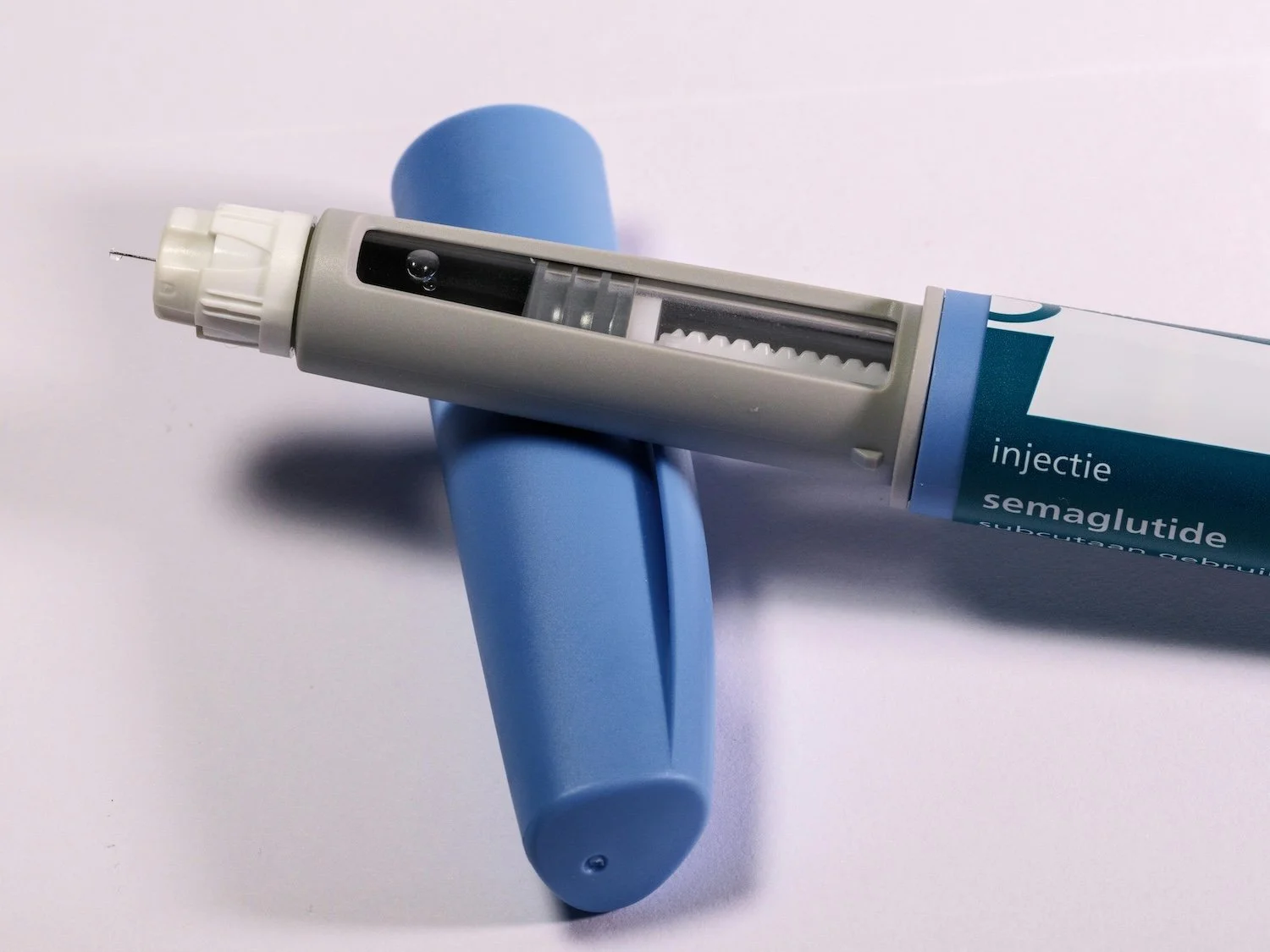
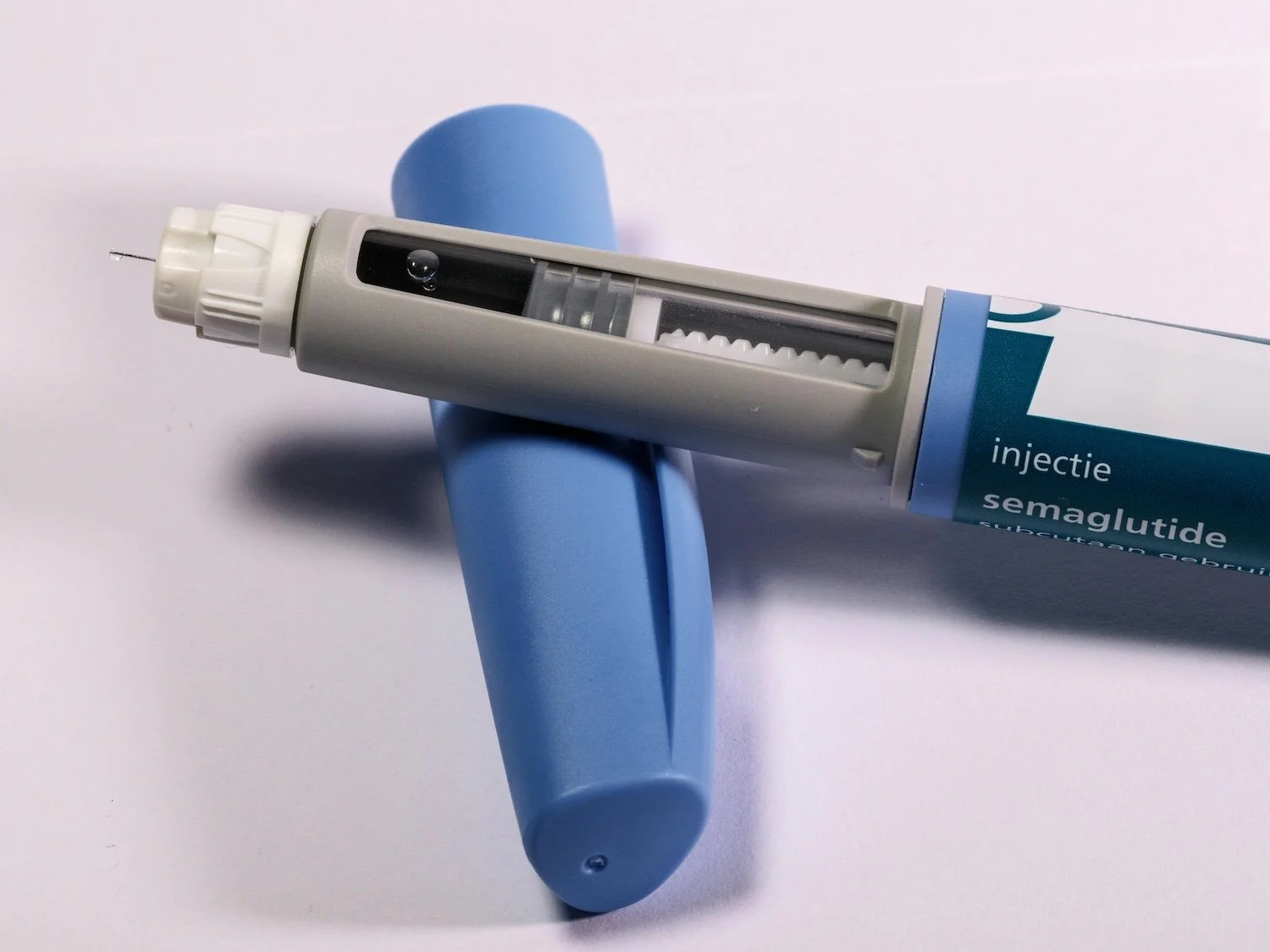
GLP-1 (which stands for glucagon-like peptide-1) drugs were initially created as a treatment for type 2 diabetes. It all started with a "serendipitous discovery” in Gila monster venom (yes, really) which eventually led to the first GLP-1 drug approved by the FDA in 2005. Essentially, these medications work by mimicking a natural gut hormone that regulates appetite and blood sugar. When you take it, you feel full faster and for longer.
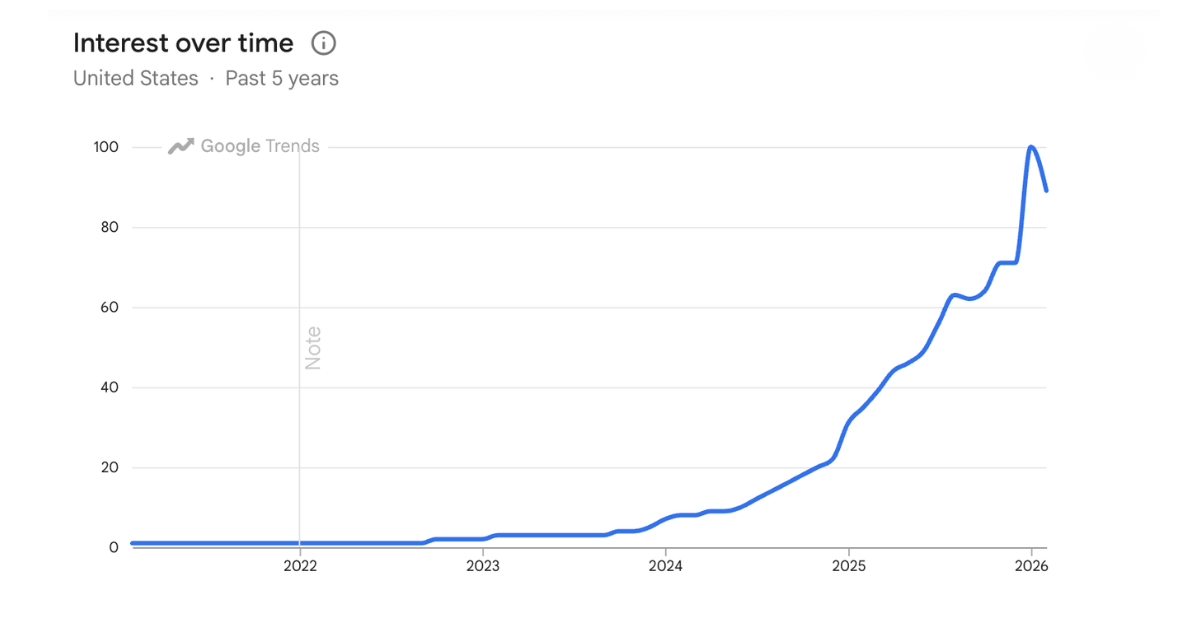
Interest in GLP-1 medications in the US over the last five years, on a scale of 0 - 100 (via Google Trends)
But in recent years, we’ve seen studies emerge showing that GLP-1s are helping people beyond treating diabetes or aiding in weight loss – from liver and kidney health to sleep apnea to substance abuse disorders to reducing the risk of Alzheimer's and dementia. And yes: improving heart health, too!
So how exactly can GLP-1 medications help protect your heart? Let’s dig into the details.
What are the impacts of GLP-1 medications on heart health?
We’ve long known that GLP-1 medications can reduce the risk of heart disease for those with diabetes. But new evidence is emerging that it can reduce risk for people without diabetes, as well.
In a study of nearly 18,000 people over more than 3 years (called the SELECT trial), researchers found that semaglutide (a type of GLP-1 drug) reduces the risk of heart attack, stroke, and cardiovascular death “in patients with preexisting cardiovascular disease and overweight or obesity but without diabetes.” In fact, the drug “led to a 20% drop in major adverse cardiovascular events compared to placebo when added to standard of care.” Translation? GLP-1s are emerging as a big deal for preventing heart disease – which is the number one cause of death in the US and globally.
Weight loss, of course, can be good for your heart by itself. But GLP-1 drugs are “multitasking” and reducing cardiovascular risk a number of other ways:
Reducing inflammation and improving blood vessel health: GLP-1 drugs have an anti-inflammatory effect on our bodies. Inflammation can damage the inner lining of your blood vessels and arteries, which causes plaque to accumulate and build up there. As plaque builds up, the walls of your arteries harden and narrow, restricting blood flow and increasing the risk of heart disease, heart attacks, and stroke. Reducing inflammation means reducing strain on the heart!
Stabilizing blood sugar: Elevated blood sugar can damage your blood vessels and the nerves that control your heart over time. That’s because high blood sugar can mean more cholesterol in your bloodstream, leading to arteries that are harder and narrower. Keeping your blood sugar at stable levels with GLP-1 medication is an investment in heart health.
Reducing cholesterol: In the SELECT trial, the people who took semaglutide medication saw a 4.6% drop in total cholesterol, 5.3% drop in LDL (“bad”) cholesterol, and a 4.9% increase in HDL (“good”) cholesterol. All of these numbers are higher than in the placebo group – strong evidence that GLP-1 drugs can help manage healthy cholesterol levels.
Lowering blood pressure: You have GLP-1 receptors all over your body. Taking GLP-1 drugs can help lower your blood pressure by “plugging in” to these places, like your kidneys (to manage salt and fluid in the body) or your blood vessels (to relax them so there’s less strain on your heart). One study concluded that GLP-1s “produce modest but consistent reductions in BP.”
Reducing fat around the heart: All of us have epicardial fat. Epicardial literally means upon (epi-) the heart (-cardial). But too much fat around our heart can put you at risk for cardiovascular disease because it makes it harder for your heart to pump blood. GLP-1 drugs can “rapidly decrease the thickness and volume” of epicardial fat, though the exact reasons why are still being studied.
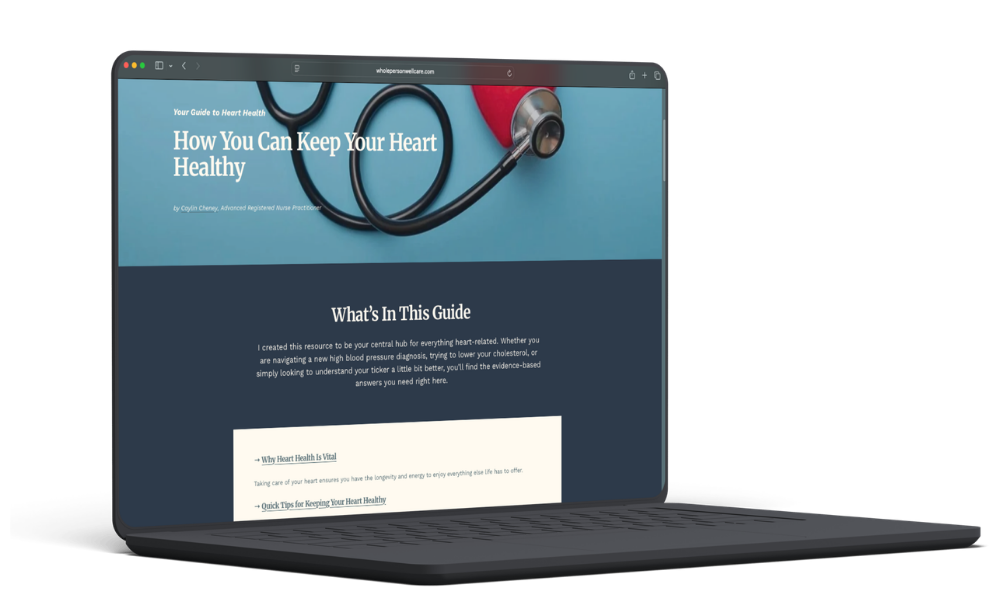
Get my new, easy-to-understand guide on improving your heart health
Get a quick overview or dive into the details.
What should I ask my provider about taking a new medication like a GLP-1?
You should always feel empowered to ask questions about your health and medications! My practice is founded on the idea of patient autonomy. It’s the firm belief that you have a right to make your own informed health care decisions.
Honoring a patient’s autonomy isn’t just the right thing to do — it actually leads to better outcomes. When people feel heard and respected by their provider, they are far more inclined to speak up, follow through on medical advice, and build a lasting partnership with their care team.
Here are some questions you can ask your provider about starting a GLP-1 (or any medication):
What are the benefits of this drug?
What are the risks and side effects of taking it?
What are the risks of not taking it?
Do I always stay on the same dose or does it change over time?
How do I know if this medicine is working or not?
What will the follow up and monitoring be like?
Do you want to talk more about GLP-1 medication, heart health, or both?
If you want to take control of your heart heath, wonder whether GLP-1 medication might be right for you, or just want to invest in your overall wellness, I would love to support you on that journey. As a nurse practitioner, I am focused on providing care that feels personal, creates safety, and doesn’t separate your body from your story.
If you’re in Washington state and this approach resonates with you, I’d love to connect. You can book a primary care appointment or schedule a free 20-minute meet-and-greet to get started.
More Blogs about Heart Health