
The Surprising Links Between Hypermobility and Mental Health
People with hypermobility are more likely to have anxiety and depression. What does research say about why?
by Caylin Cheney, Advanced Registered Nurse Practitioner
You’ve probably heard hypermobility referred to in passing as being “double jointed” – but, of course, that’s not really what it is. People don’t have additional joints – but our joints and ligaments can be extra stretchy or move beyond the typical range. You probably know someone who is hypermobile because anywhere between 10% and 20% of people are.
But joint hypermobility can be far more than just extra flexibility. And what if I told you hypermobility and mental health are closely linked? It might sound far-fetched at first, but clinical evidence backs it up.
May is both Mental Health Awareness Month and Ehlers-Danlos Syndromes (EDS) and Hypermobility Spectrum Disorders (HSD) Awareness Month (a mouthful, I know). Let me explain the links between hypermobility and mental health:
What is Hypermobile Ehlers-Danlos Syndrome? What are Hypermobility Spectrum Disorders?
Hypermobility doesn’t cause significant symptoms or problems for many people, which is considered “asymptomatic hypermobility.” For some people – like Olympians Simone Biles and Michael Phelps – hypermobility can be a great asset.
But symptomatic hypermobility is the other side of the coin, characterized not just by flexibility but by joint pain, muscle spasms, chronic fatigue, instability, frequent injuries, digestive issues, and more.
Think of it like a spectrum, while recognizing any type of symptomatic hypermobility can severely impact a person’s life.
On one end, you have people who are so-called "double-jointed" but it doesn't cause pain or health issues – asymptomatic hypermobility.
On the far other side of the spectrum, you have Hypermobile Ehlers-Danlos Syndrome (hEDS), which has more defined diagnostic criteria (with new criteria coming in December 2026!): generalized joint hypermobility, evidence of systemic connective tissue issues (such as skin or heart valve features) or family history, and the exclusion of other similar conditions.
In the middle, you have Hypermobility Spectrum Disorders (HSD), which don’t meet this strict diagnostic criteria, but remain a connective tissue disorder that causes symptoms and pain.
Hypermobility is caused by genetic factors that affect collagen, the protein responsible for joint, ligament, and tendon strength in our bodies. It is most common in females, children, and people of Asian and Afro-Caribbean descent.
So how does symptomatic hypermobility impact mental health?
Our physical health is inextricably linked to our mental health. While the painful or challenging experiences that come with symptomatic hypermobility certainly can impact a person's mental wellbeing, it goes beyond just that.
People with hypermobility, for example, are much more likely to have anxiety. Dr. Jessica Eccles, a psychiatrist who first established the connection in her clinical research, notes that “in the general population, about 20% of people have unusually flexible joints. But in the population of people with anxiety or panic disorder, about 70% have unusually flexible joints.”
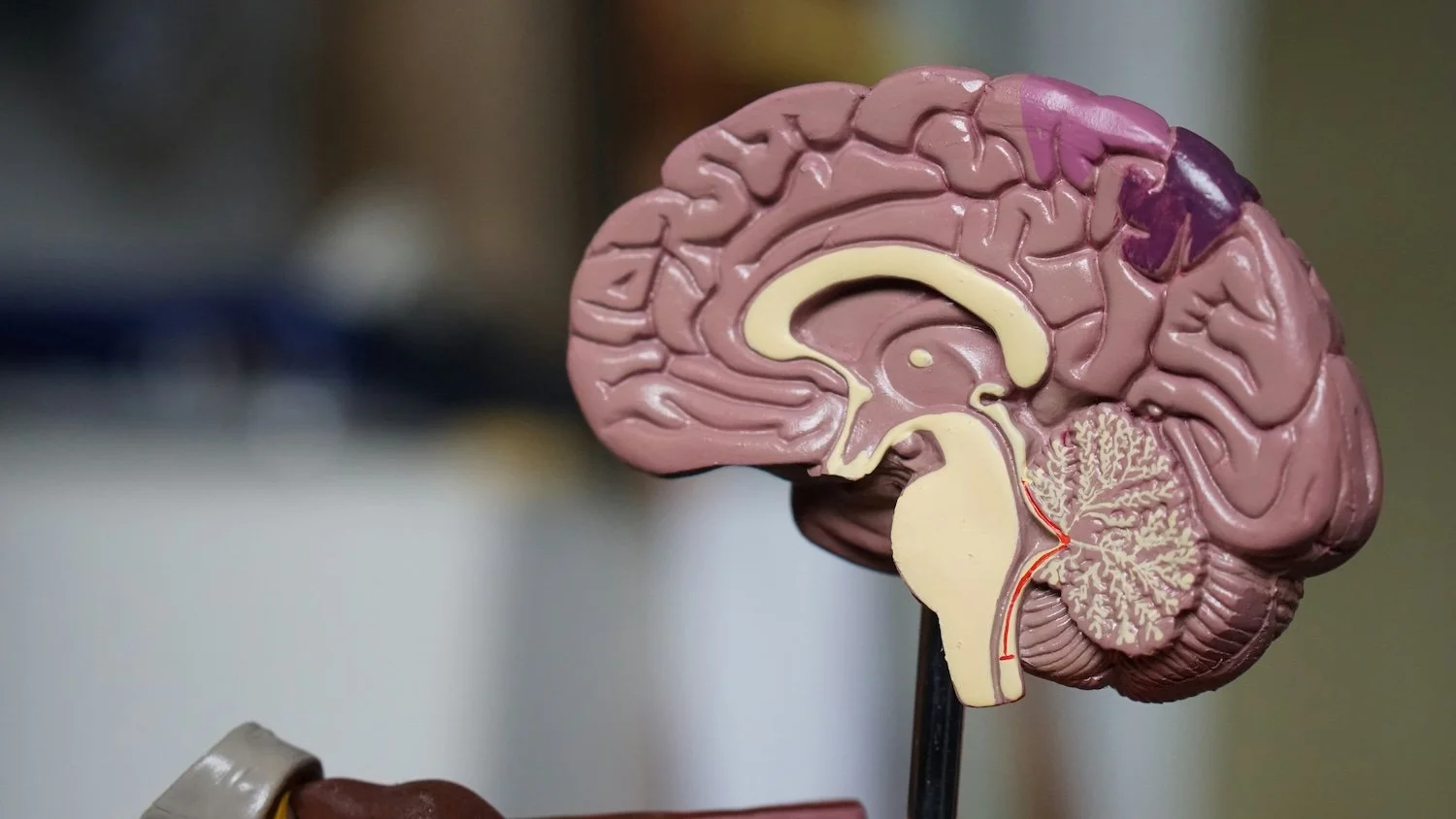
Dr. Eccles discovered that people with joint hypermobility tend to have a larger amygdala, which is responsible for emotional processing (especially fear and anxiety) and triggers the “fight or flight” response. A bigger amygdala is linked to a stronger stress and fear response.

In this short interview, Dr Jessica Eccles explains her research into the connection between joint hypermobility and anxiety.
Dr. Eccles also uncovered another link between hypermobility and anxiety: The collagen abnormalities that make super flexible joints also affect blood vessels, making blood pool in leg veins so the heart has to work harder to move it. “When the heart has to work extra hard just to circulate blood, it brings the entire body to the verge of a fight-or-flight reaction, requiring very little to set off panic,” explains Scientific American.
And it’s not just anxiety, either. Hypermobility has also been linked to developing depression in adolescence: “In males that were hypermobile at 14, they were twice as likely to experience depression at 18 compared to the male children that were not hypermobile,” Dr. Eccles explained.
The Brighton and Sussex Medical School (where Dr. Eccles performs her research) summed it up well: “Joint hypermobility is caused by a genetic difference in our connective tissue, and because connective tissue is present everywhere in the body, it also influences our fight-or-flight nervous system.”
Do you have symptomatic hypermobility?
I have a lot of patients with EDS and HSD and I am always keeping on top of the most recent research so I can treat them accurately and with care.
If you have Ehlers-Danlos Syndrome or a Hypermobility Spectrum Disorder and you’re looking for care that doesn’t separate your physical health from your mental wellbeing, make an appointment today. Because you deserve to be seen, heard, and supported in your health journey.
One more thought on the body-brain connection
While I was writing this blog, I was also thinking about the broader connections between our mental health and our muscles. While hypermobility is strongly linked to muscle spasms, they can happen to any of us.
I started having upper back muscle spasms in my early 20s and when it first happened, I had no idea what was going on. It was so painful that I thought I broke my back and went to the ER! Since then, I've been passionate about supporting my own physical health through mindfulness and exercise because if I don't, my back really starts talking to me. Of course, sometimes my muscles just do whatever they want and I have pain despite doing "all the right things."
I've seen a lot of folks over the last month with muscle spasms and really tight neck, trapezius, and shoulder muscles. Their muscles were rock hard during the exam and they had no idea this wasn't normal and was contributing to their pain and headaches.
One big reason we get these kinds of tight muscles and muscle spasms? Stress! We all know that managing stress and prioritizing mental health can be a major investment in your physical wellbeing, but sometimes it can be hard to prioritize.
Here are some suggestions I give to my patients who are experiencing muscle spasms:
Strengthen your core: Try exercises developed for postpartum people – because the exercises to restore your core after giving birth are really good for anyone!
Take a walk: This is my favorite form of daily exercise but it could be swimming, dancing, etc. There is an enormous amount of evidence-based benefits for tai chi and back pain, too! Exercise is good for the body and stress relief.
Consider a magnesium supplement: Sometimes magnesium can help to reduce muscle tension and help with sleep.
Over the counter medications can help: Options include topical CBD, capsaicin or tiger balm.
Don’t be afraid to ask your provider: Talk to your provider and they may recommend massage, physical therapy, or acupuncture, or help look at your daily activities to see if there are ergonomic improvements to be made, etc.
Recent Blogs