
A guide to finding a better price for the medicine you need.
by Caylin Cheney, Advanced Registered Nurse Practitioner
We’ve all been there: You head to the pharmacy to pick up your medicine then hear a number that makes your stomach drop. How much? Sticker shock at the pharmacy is uniquely frustrating – because, of course, medicine is an essential, not a luxury.
In fact, more than 20% of adults say they have left a prescription unfilled because the cost was too high. That’s why I want to offer some strategies to get creative and potentially reduce the cost of your prescriptions.
1. Check different brick and mortar pharmacies
There are essentially three different places you can buy your prescriptions in person – at big retail chains, warehouse clubs like Costco, or local independent pharmacies. Many of us get our medications filled at big chains because they’re convenient, but they might not offer the best prices. Try filling your prescription at a different pharmacy than you typically go to if the price is too high. There are many variables at play, so I can’t say definitively if your medicine will be cheaper at any one particular pharmacy. But taking the time to cost-compare could save you a boatload.
A good place to start might be Costco, Sam’s Club, BJ’s Wholesale Club, or somewhere similar depending on where you live. Costco has a membership prescription program that allows you to go online, enter your medication details, and immediately compare the price at Costco versus other pharmacies.
As one example, Costco made headlines lately because they are now selling Wegovy and Ozempic for as little as $199 per month without insurance – whereas it can cost thousands (with or without insurance!) at other pharmacies. The membership prescription program is included in the larger Costco membership, which costs $65 per year.
GoodRx, WellRx, and SingleCare offer similar tools for comparison, and also connect users with digital coupons to present at the pharmacy for discounts.
2. Take a look at online alternatives
A lot of us are used to picking up prescriptions in person, but there are plenty of online alternatives these days – called direct to consumer (DTC) pharmacies. According to a 2024 study, DTC pharmacies are consistently much less expensive than retail pharmacies for generic drugs. Your insurance company may offer its own a DTC option but other options that exist outside the insurance model have expanded drastically in recent years:
Cost Plus Drug Company: Started by Mark Cuban, Cost Plus “cuts out the middlemen to offer hundreds of common (and often life saving) drugs at understandable prices.” Essentially, the company charges the cost they pay manufacturers for a medication plus 15% (hence the name) – which can often be much lower than it is at retail.
GoodRx: While comparing drugs and downloading “standard” coupons is free for anyone (as mentioned above), GoodRx offers a GoodRx Gold program that may be useful for some patients and includes a direct-to-consumer pharmacy. Keep in mind that GoodRx has been reported for collecting individual data on patients–which raises privacy concerns.
Amazon Pharmacy: Of course Amazon has a pharmacy now, too! Launching in late 2020, this DTC pharmacy can be a great option for people with or without insurance. Much like Costco and GoodRx, you can search for your prescription to get transparent pricing for name brand or generic options. The RxPass does cost an additional $5 per month for Prime members.
3. Go straight to the source: Look for manufacturer’s coupons
Manufacturers offer coupons (sometimes called copay cards) to help reduce the out-of-pocket cost of their drugs. Often, these are only for name brand drugs (rather than generic options) and have specific requirements. For example, people on Medicaid or above a certain income level typically cannot use copay cards. You can go straight to a manufacturer’s website or use NeedyMeds to search for coupons.
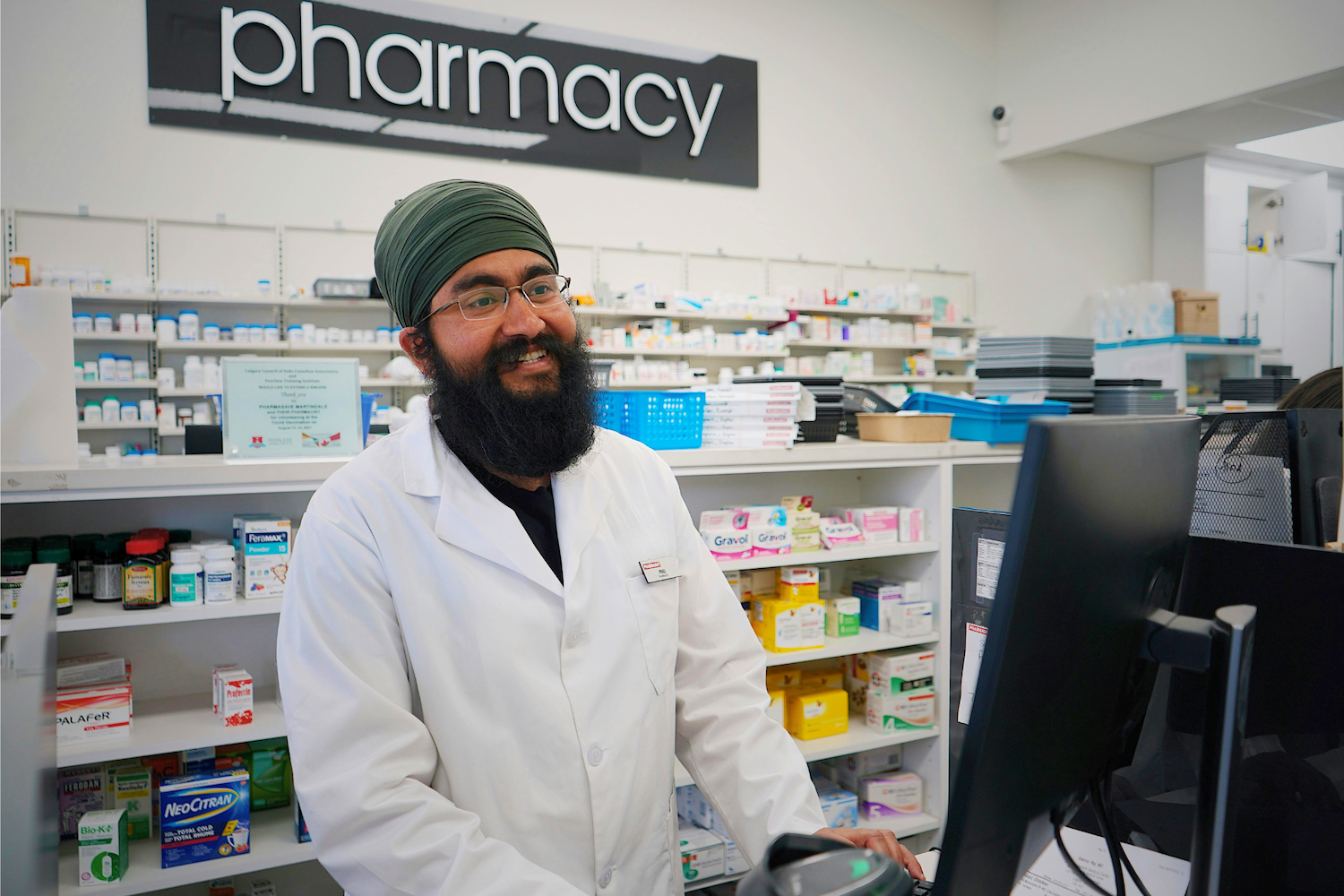
4. Ask your pharmacist questions
Pharmacists hear from people all the time about the cost of medication and can have relevant advice for your particular medication when asked. For example, you can also ask for the “cash price” of your medication without insurance. This is the price your pharmacy pays for the medication plus their markup. You might be surprised – this can sometimes make your medication cheaper than it would be with your insurance co-pay, especially for generic medications.
Pharmacists are usually not allowed to offer cheaper drug options proactively due contracts with Pharmacy Benefit Managers – powerful middlemen that are just another reason why our health care system is so expensive and lacking in transparency. But pharmacists can answer questions when asked.
And remember: It's always okay to refuse medication at the pharmacy counter if it's too expensive.

Related:
What Should You Do If Your Medication Is Recalled?
FDA recalls happen more frequently than you might expect. Here’s what to do.
5. Work with your medical provider
Your provider is there to help! If a specific drug is too expensive, ask them for a "therapeutic equivalent" — a different drug in the same class that might be on a lower insurance tier.
Insurance companies have preferred drug lists and all kinds of red tape make it nearly impossible for providers to know how expensive a drug will be for a patient, but they should know some alternatives you can try to bring down the cost. Your provider can also write longer prescriptions for a 90-day supply of ongoing medication or offer generic (instead of name brand) options. Both of these adjustments can reduce how much you pay, so don’t be afraid to bring your concerts to your next appointment and ask for help.
You deserve care that is thoughtful, holistic, and deeply personal
I built Whole Person Well Care because I believe the way care is usually delivered leaves too many people feeling unheard, unseen, or overwhelmed. At my practice, your lived experience, voice, and autonomy are not just respected. They are at the center of everything I do!
This is not quick, one-size-fits-all care. I take the time to understand the full picture so we can get to the root of what’s going on, not just mask symptoms! And that includes working with you to do whatever I can to find creative ways to reduce your prescription costs. Schedule a visit or a free virtual meet-and-greet today.
Recent Blogs