Could hormones be behind your chronic illness symptoms?
by Caylin Cheney, Advanced Registered Nurse Practitioner
Key takeaways
Hormones are your body's chemical messengers: There are more than 50 that have been discovered so far, and their job is to communicate between our many systems and keep everything running smoothly.
Many chronic illnesses are linked to hormones: Some are caused by hormone changes, and others get better or worse as hormones shift.
Patterns are clues: If your symptoms worsen for no clear reason, or come and go in cycles, hormones may be part of the story.
Knowledge is empowering: Knowing why your body is doing something can ease the emotional weight of chronic illness – and bring down barriers to getting care.
This spring, I gave a talk at the Chronic Illness Symposium called "Hormones & Chronic Illness: A Whole Person Approach." I wanted to bring some nuance and compassion to a topic that's everywhere right now. Scroll for a few minutes and you'll probably see someone making the links between hormones and fatigue, mood, weight, or skin conditions. Some of those conversations are really needed! But a lot of them are also full of misinformation, and more often than not, someone trying to sell you something.
So I wanted to share the heart of that talk with you here.
Because here's what I see again and again in my practice: Chronic illness so often comes with shame. Shame that your body isn't "keeping up." Shame that you can't explain why you feel worse this week than last week. Shame that keeps people from asking for care at all.
Information and understanding are some of the most powerful tools we have against that shame. When we understand how hormones can cause or affect chronic illness, our symptoms start to make sense in context.
Hormones 101: What is a hormone, anyway?
Hormones are chemical messengers. They carry signals between the many systems in our bodies to help everything run smoothly, from our sleep and our mood to our blood sugar and our periods.
A few things I find fascinating:
There are more than 50 hormones that have been discovered in the body so far!
Your brain runs the show. The hypothalamus and pituitary gland sit at the base of your brain. Together with your adrenal glands (which sit on top of your kidneys), they help keep you in homeostasis, which is just a fancy word for balance.
Hormones come from all over. Glands like the pituitary, pancreas, ovaries, and testes make them. But so do your fat tissue, liver, kidneys, gut, and even the placenta during pregnancy!
Some neurotransmitters do double duty. Brain chemicals like norepinephrine can also act as hormones.
What happens when things go haywire?
Your endocrine (hormone) system uses a series of feedback loops to keep you balanced. Think of it a bit like a thermostat: when a hormone level gets too high, your body turns production down. When it gets too low, your body turns it up.
When things go wrong, it's usually a problem of too much (like hyperthyroidism, an overactive thyroid) or too little (like hypothyroidism, an underactive one). The feedback loops get disrupted and cause you to experience symptoms. And sometimes, chronic illness.
Why look at hormones and chronic illness together?
In medicine, we're often trained to think about conditions in silos. Your thyroid goes to one specialist, your mood to another, your periods to a third.
But hormones don't work in silos. They work as part of complex systems of positive and negative feedback loops, where a change in one place ripples out to others. That's why I believe a whole person approach is essential for understanding and managing chronic illness. It makes sure we're looking at you, not just your diagnoses.
The relationship goes a few different ways:
Some chronic illnesses are a direct result of hormone dysregulation. Diabetes and PMOS are good examples.
Other chronic illnesses are affected by hormones. Think of migraines that flare around your period.
Chronic illness also shapes our behaviors, like sleep, movement, and stress, which in turn can affect our hormones.
Which chronic illnesses are connected to hormones?
The list is long! Here's a quick tour of some of the most common conditions I see, and the clues that hormones might be part of the picture. Remember: This list isn’t exhaustive!
Polyendocrine metabolic ovarian syndrome (PMOS), formerly known as PCOS
PMOS involves higher-than-usual androgens (like testosterone), along with shifts in insulin and the hormones that drive ovulation. We still don't fully know why it happens, but genetics and environment likely both play a big role.
Irregular periods, acne, extra facial hair, and fertility concerns can all be signs. PMOS also raises the risk of prediabetes, diabetes, and heart disease, so it's worth getting checked.
Perimenopause and menopause
Perimenopause is the transition before menopause, and it can start earlier than many people expect, sometimes in your late 30s. Menopause itself is when you've gone 12 months without a period.
As estrogen and progesterone fluctuate, you might notice changes to your periods, brain fog, more chronic pain, worsening migraines, or a bump in anxiety, depression, or ADHD symptoms. Blood pressure and cholesterol can creep up, too.
Premenstrual dysphoric disorder (PMDD)
PMDD is not "just bad PMS." After ovulation, shifts in estrogen and progesterone (and brain chemicals like serotonin and dopamine) can cause a dramatic increase in depression, anxiety, irritability, and even intrusive thoughts in the week or two before a period.
If your mental health seems to fall off a cliff on a monthly schedule, please bring it up with your provider.
Diabetes
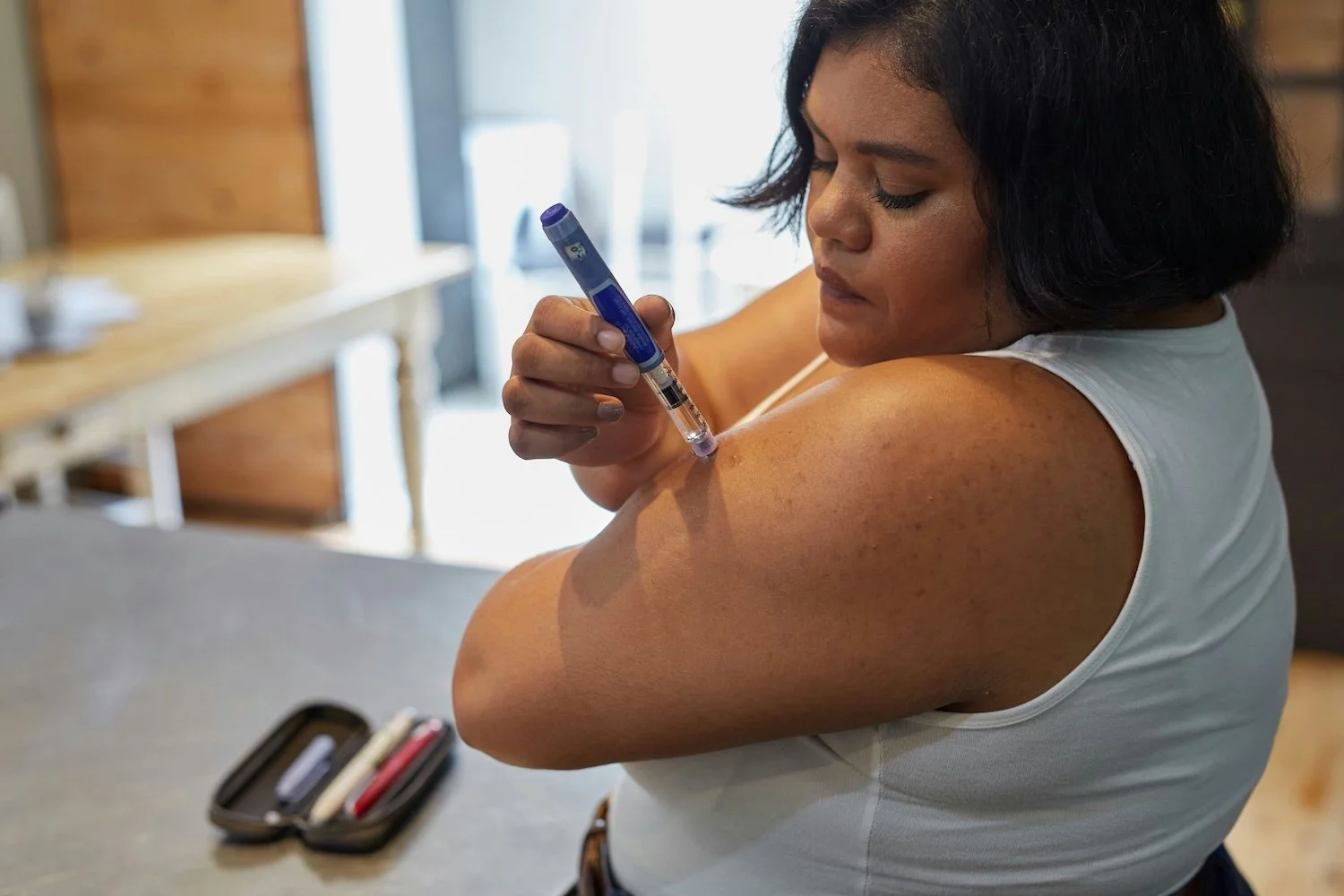
Diabetes happens when the body either stops making insulin (usually autoimmune, in type 1) or stops responding to insulin the way it should (type 2).
Did you know insulin is a hormone? For signs you may be diabetic, watch for increased hunger and thirst, peeing more often, unintended weight loss, and cuts that are slow to heal.
PTSD and complex PTSD
Trauma changes our stress hormones. Cortisol can run lower than normal right after a traumatic event and then higher than normal over time, alongside adrenaline and norepinephrine. If your PTSD symptoms are getting worse, it's worth asking whether another hormone is off, too. PTSD can also affect physical health, including heart health and diabetes risk.
Anxiety, depression, and mood disorders
Cortisol, estrogen, testosterone, thyroid hormones, and brain chemicals like serotonin and oxytocin all influence our mood. Hormones are especially worth considering when symptoms get worse without a clear reason, or when they're worse at certain times and then better.
ADHD
ADHD is a disorder of executive function, and it's closely tied to dopamine and norepinephrine. Estrogen and cortisol affect those brain chemicals, so many people notice their ADHD symptoms shift with their cycle or during perimenopause.
Connective tissue and autoimmune conditions
Conditions like Ehlers-Danlos syndrome, hypermobility spectrum disorder, rheumatoid arthritis, and lupus can all flare with hormone fluctuations. (Remember: women are much more likely to have autoimmune diseases.)
Chronic pain
Fibromyalgia, arthritis, migraines, and endometriosis can all be affected by estrogen and stress hormones. Estrogen receptors are found all over the body, from the brain to the bones! Consider hormones if your pain seems cyclical or if you might be in perimenopause.
See a pattern? Across nearly all of these conditions, the biggest clue is the same: symptoms that get worse for no clear reason, or that come and go in cycles.
Maybe you have one of these conditions. What now?
Knowing that hormones may be involved doesn't fix everything overnight. But it gives us more tools to work with. Here's how I think about it:
Take a holistic approach to treatment. That might include medication, somatic or talk therapy, hypnotherapy, or occupational and physical therapy. There's rarely just one answer!
Track your symptoms alongside your cycle or life stage. Noticing patterns can help you plan your activities, decide when to prioritize rest and pacing, and even figure out what work accommodations to ask for.
Ask your provider to rule things out. If you have new or worsening symptoms, it's fair to ask whether hormones could be playing a role.
The right words can be really empowering! Understanding what's going on can give you language to explain it to other providers, your family, and your friends.
Keep in mind the six wellness basics. On top of everything else listed here, these basics can help when you’re feeling overwhelmed about your health.

How Can I Be More Healthy? Here Are Six Things to Focus On
Our bodies are amazing, complicated machines but how we best support them is not all that complicated at all.
The honest limitations
I'd be doing you a disservice if I didn't name the limits here, too:
Hormones fluctuate constantly, which can make them hard to measure.
Research on some hormones (and on many of these conditions) is still limited.
Providers often have limited time with patients, and medical bias is real.
And even when hormones are to blame… sometimes our bodies will just do whatever they will! But context can lighten the emotional load. Knowing there's a reason behind what you're feeling can make a real difference.
How I approach conversations about hormones
Talking about your hormones, your periods, your mood, or your pain can feel vulnerable. Here's what you can expect from me:
I'll consider your whole person, not just one lab value or one diagnosis.
I'll lean into the nuance. Hormones are complicated, and you deserve more than a one-size-fits-all answer.
I'll invite your questions and take your concerns seriously. This practice is built on patient autonomy.
I'll ask questions. Then I'll probably ask more questions!
I'll tell you when I don't know, and I'll stay open to learning new things.
I'll acknowledge the shame, discomfort, and bravery that so often come with these conversations.
Don't forget this
If you're living with a chronic illness, that is never a reflection of your worth or your morality – and you deserve care that sees the whole picture.
If you've been wondering whether hormones are playing a role in how you feel, let's work through it together. I built Whole Person Well Care to offer the kind of care most people wish they could find: Care that is thoughtful, holistic, and deeply personal.
Do you need extra support on your health journey? Whether you're navigating PMOS, perimenopause, PMDD, ADHD, chronic pain, or just general wellness, I can help.